Blog
Why Your Skin Breaks Out More in Bali’s Rainy Season and How to Fix It

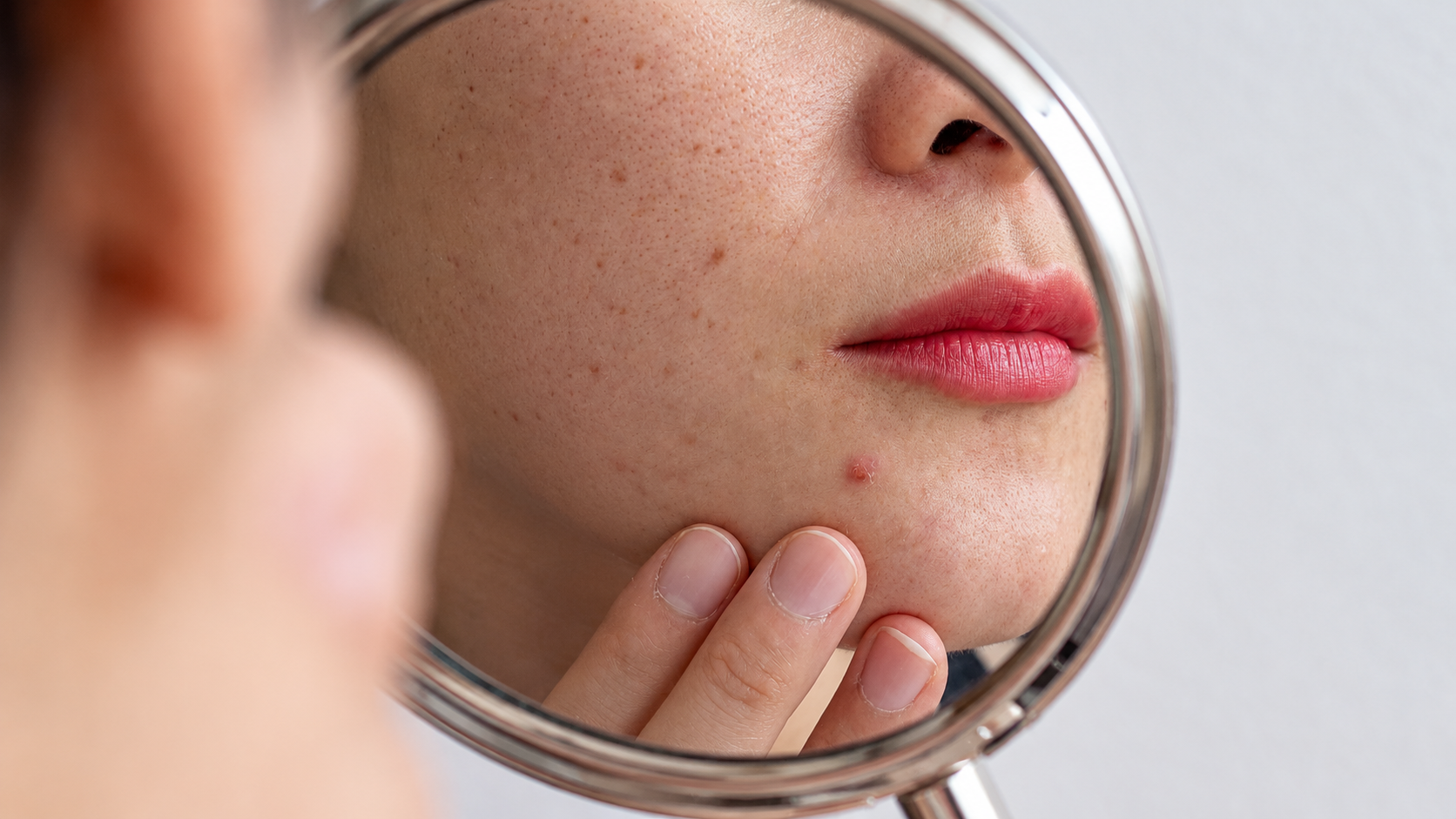
If you’ve lived in Bali through more than one rainy season, you’ve probably noticed it: the moment the skies start opening up in earnest, your skin starts doing things it wasn’t doing three months ago. More breakouts. More congestion. Texture that wasn’t there in August. A general feeling that your skin is working against you even though nothing obvious in your routine has changed.
This isn’t a coincidence. Bali’s rainy season creates a very specific set of skin conditions that directly trigger acne and congestion — and understanding them is the first step to actually clearing the problem rather than just treating symptoms.
What Rainy Season Does to Your Skin
The Humidity-Sweat-Congestion Loop
Bali’s wet season brings a distinct type of humidity — heavy, warm, and persistent. Unlike dry heat, which allows sweat to evaporate, humid air keeps sweat sitting on the skin surface. Sweat mixed with sebum (your skin’s natural oil) and the residue from sunscreen, moisturizer, and pollution creates a film that sits over your pores for longer than it would in drier conditions.
This film is not the cause of breakouts on its own — but it’s the perfect environment for the congestion process to accelerate. Dead skin cells that would normally shed are trapped. Pore openings that were partially clear become fully blocked. And sebaceous glands, stimulated by warmth and the skin’s attempt to compensate for disrupted barrier function, produce more oil.
The result: a cycle of clogging, inflammation, and breakouts that often feels impossible to wash your way out of — because washing alone doesn’t address what’s happening inside the follicle.
Barometric Pressure Changes Trigger Sebum Production
This is the piece most people haven’t heard about — and it explains why breakouts often appear specifically when it rains rather than just during the overall humid period.
Changes in barometric pressure (which drop significantly before and during rainfall) have been shown to influence sebaceous gland activity. The mechanism isn’t fully understood, but the clinical observation is consistent: many acne-prone individuals experience a spike in oil production and new breakouts correlated with weather pressure changes. In Bali’s rainy season, where afternoon storms are near-daily, this means your sebaceous glands are being triggered repeatedly throughout the week.
Indoor Air Conditioning — Barrier Disruption From Two Directions
Rainy season also means more time indoors — and more exposure to air conditioning. AC creates a dry air environment that compromises the skin’s moisture barrier, triggering compensatory sebum production. So you’re simultaneously dealing with outdoor humidity increasing pore congestion and indoor AC causing reactive oiliness and barrier disruption. Your skin is being pulled in two directions at once, and most skincare routines aren’t built to handle both.
Fungal Acne vs Bacterial Acne — Worth Knowing the Difference
One specific rainy season concern worth flagging: warm, humid conditions are ideal for Malassezia, a naturally occurring yeast on the skin that can proliferate during high-humidity periods and cause a breakout pattern that looks like acne but isn’t. Fungal acne (pityrosporum folliculitis) presents as small, uniform, itchy bumps — often across the forehead, chest, or shoulders — and does NOT respond to standard acne treatments. It requires antifungal intervention.
If your rainy season “acne” is unusually itchy, very uniform in size, and not responding to your usual routine, mention this to your practitioner at MOII — the distinction matters for how it’s treated.
What Actually Works for Rainy Season Breakouts
At Home
Don’t skip your cleanser — but don’t over-cleanse either. Washing more frequently than twice a day strips the skin barrier and triggers more sebum production. Stick to a gentle, low-pH cleanser morning and night. If you’re sweating heavily between, use a gentle micellar water to refresh without disrupting the barrier.
Switch to a non-comedogenic, oil-free moisturizer. During rainy season, heavy creams that worked fine in dry season can contribute to congestion. A gel-based or water-gel moisturizer provides hydration without adding occlusive weight over your pores.
BHA 2–3 nights per week. Salicylic acid is the only over-the-counter ingredient that is oil-soluble and small enough to enter the follicle to dissolve the sebum-cell plug from inside. If you’re not using it, this is the highest-impact addition to a rainy-season routine for congestion-prone skin.
Lighter sunscreen. Many people unconsciously switch to heavier, richer sunscreens during rainy season because they feel the UV is lower. This is a mistake — UV penetrates cloud cover, and heavy sunscreen formulations that sit on the skin contribute to clogging. Use a light, non-comedogenic SPF formulation year-round.
Professional Treatment — What MOII Offers for Rainy Season Breakouts
At-home routines manage and prevent. Professional treatments address what’s already there and provide a deeper reset.
Acne Package Facial MOII’s targeted facial for breakout-prone skin includes professional comedo extraction — the step that physically clears the backlog of clogged pores that’s built up over weeks of humid weather. No at-home routine can replicate what trained, professional extraction achieves. Combined with sebum-regulating actives and PDT (LED light therapy) to calm inflammation, this is the most direct way to clear congestion and give your routine a clean surface to work from.
Recommended frequency during rainy season: every 4 weeks. The humid conditions mean congestion rebuilds faster, and monthly professional clearing keeps the cycle from compounding.
MOII Alma Dermaclear Facial For skin that’s been significantly congested throughout rainy season — multiple breakout sites, persistent closed comedones, or skin that hasn’t had professional treatment in several months — the MOII Alma Dermaclear Facial provides a deeper reset. The 90-minute treatment uses the Alma technology platform alongside professional extraction to address more entrenched congestion than a standard facial session can clear.
Acne Injection For specific active inflammatory breakouts — the deep, painful ones that won’t come to a head and leave marks for weeks — an anti-inflammatory injection placed directly into the lesion can dramatically reduce both the size and duration of the breakout. A targeted option that can be included alongside a facial appointment when there are active, inflamed lesions present.
Chemical Peel For skin that has both active congestion and post-breakout marks (PIH), a professional chemical peel addresses both simultaneously — clearing congestion through chemical exfoliation while accelerating the fading of pigmented marks. Rainy season is ideal timing for peels, as the reduced sun exposure supports safer recovery.
The Rainy Season Skin Rule
Cleanse properly. Exfoliate chemically. Hydrate correctly. And clear professionally every 4 weeks.
That combination — done consistently through the wet season — means you emerge from rainy season with clearer skin, not worse skin. Most people’s rainy season breakout problem is cyclical because they only treat reactively. The people who maintain clear skin through rainy season in Bali are the ones who build the professional component into their routine proactively.
Book Your Rainy Season Acne Consultation at MOII Aesthetic Clinic
MOII Aesthetic Clinic is in Canggu, Bali — and rainy season is exactly when our skin team is most in demand for exactly these concerns. Whether you’re dealing with new rainy season breakouts, entrenched congestion, or post-breakout marks that won’t fade, we’ll build a treatment plan that clears what’s already there and keeps it clear through the rest of the wet season.