
If you’re trying to refresh dull skin, fade acne scars, or reduce wrinkles, two of the most popular treatments are microdermabrasion and chemical peels. Both work by exfoliating dead skin cells and stimulating skin renewal, but they work differently, target different skin concerns, and offer different levels of results.
Understanding the real difference between microdermabrasion vs chemical peel will help you choose a treatment that matches your goals, lifestyle, and skin type. Here’s everything you need to know before booking your session.
What Is Microdermabrasion?
Microdermabrasion is a quick, non-invasive treatment designed to refine your skin’s tone and texture.. It’s great for improving common concerns like sun damage, fine lines, acne, and uneven skin.
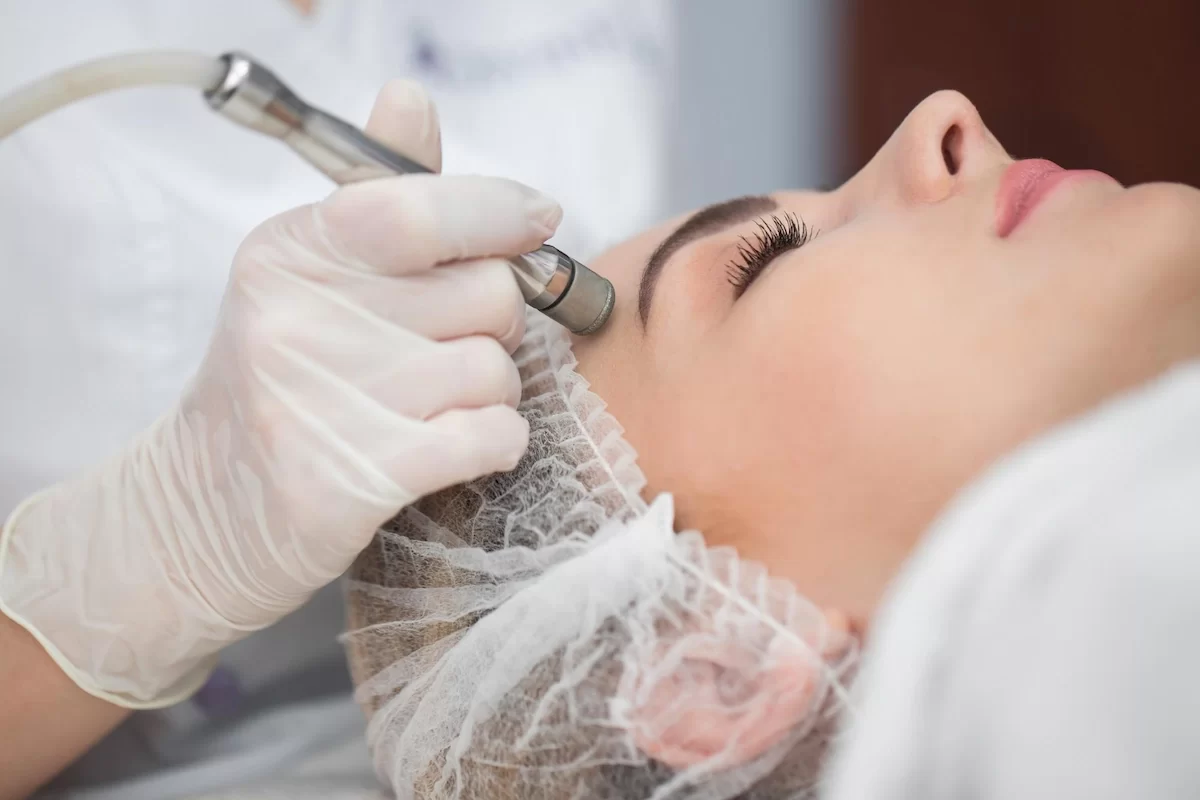
During treatment, a special tool with a textured tip gently exfoliates the thick outer layer of dead skin cells, which helps reveal smoother, healthier-looking skin underneath.
What Is a Chemical Peel?
What is a chemical peel vs. microdermabrasion? Unlike microdermabrasion, chemical peels take a different approach to skin renewal. Instead of physical exfoliation, a carefully formulated chemical solution is applied to the skin, gently dissolving the outermost layers. The result is a brighter, more even complexion that was hidden beneath surface buildup.
Because chemical peels penetrate deeper than microdermabrasion, they are especially effective for addressing more stubborn concerns—such as acne scars, fine lines, wrinkles, and areas of hyperpigmentation.
Read also: How to Achieve Radiant, Glowing Skin with the Right Treatments and Daily Habits
Key Differences Between Microdermabrasion vs. Chemical Peel
Looking to restore your glow, but not sure which treatment is right for you? While both microdermabrasion and chemical peels aim to refresh and renew the skin, they differ in procedure, depth, and the types of concerns they treat. Here’s a closer look at how they compare.
1. Conditions Treated
Both microdermabrasion and chemical peels treat a variety of common skin concerns. Yet, certain conditions are better treated with one over the other.
Here are some conditions in which microdermabrasion is ideal:
- Dull complexion or tired-looking skin.
- Age spots and mild pigmentation.
- Uneven skin tone.
- Clogged pores.
- Blackheads and whiteheads.
- Fine lines and early signs of aging.
- Rosacea (an inflammatory skin condition that causes redness and irritation).
- Skin texture problems.
- Hyperpigmentation.
On the other hand, chemical peels are more effective for:
- Acne scars.
- Sun damage.
- Melasma (patchy facial skin discoloration).
- Wrinkles.
- Age spots and hyperpigmentation.
- Sagging or lax skin.
- Blemishes and uneven tone.
- Crow’s feet (wrinkles that form at the outer corners of the eyes).
2. Procedure Details
Even though both aim to improve skin health and appearance, the steps involved in each treatment are quite different. Find out how microdermabrasion vs. chemical peel treatments work below:
Microdermabrasion Procedure
Microdermabrasion usually takes around 15 to 30 minutes, and you don’t need any topical or local anesthetic to numb your skin beforehand. That’s because the procedure isn’t typically painful, though you might notice a feeling of scratching, stinging, or a light vibrating or suctioning sensation.
Your skincare professional will use one of two main techniques:
- Crystal Microdermabrasion: This method uses a device that gently shoots tiny crystals onto the skin to remove dead skin cells. The device then vacuums up the loosened debris and crystals. You can think of it as a super gentle, controlled sandblasting for your face.
- Diamond Microdermabrasion: A diamond-tipped wand is used to gently exfoliate the outer layer of skin while vacuuming up the debris at the same time. It’s a bit like an electric sander, but designed to be super gentle on your skin.
Chemical Peel Procedure
When you get a chemical peel, the doctor will clean your face, cover your hair, and protect your eyes with goggles.
For a light peel, you typically won’t need any pain relief, while for a medium peel, you may be given a sedative and some pain medication. For a deep peel, you’ll likely receive sedative, local numbing, and intravenous (IV) fluids to keep you comfortable.
Here’s how a light chemical peel works:
- Your doctor will use a brush, cotton ball, gauze, or sponge to apply a chemical solution, often containing glycolic or salicylic acid.
- The skin starts to whiten, and you might feel a mild stinging.
- Afterward, the solution is neutralized or washed off.
Meanwhile, the steps of a medium chemical peel are:
- Your doctor will use a cotton-tipped applicator to apply a chemical solution that contains trichloroacetic acid, which may be mixed with glycolic acid.
- The skin will begin to whiten.
- After a few minutes, the doctor will apply cool compresses to soothe your skin. You might even get a hand fan for extra relief.
- No neutralizer is needed, but you may feel stinging or burning for up to 20 minutes.
During a deep chemical peel, the process includes:
- Receiving IV fluids, and your heart rate will be closely monitored.
- Carbolic acid (phenol) is applied by your doctor to your skin in small sections, which will make it turn white or gray.
To limit your exposure to the acid, the procedure is broken up into 15-minute intervals. A full-face deep peel can take around 90 minutes to complete.
3. What to Expect After the Procedure
One of the advantages of microdermabrasion is the virtually no-downtime recovery. Most people return to daily activities immediately. Here’s what you need to do to optimize results:
- Keep your skin well-hydrated.
- Stick to gentle, non-irritating skincare products.
- Avoid acne treatments or strong topical meds for at least 2 days.
- Always wear sunscreen, since your skin will be more sensitive to the sun for a few weeks.
On the other hand, after a medium or deep chemical peel, you will definitely need some downtime. For a deep peel, you should plan to spend about two to three weeks recovering at home.
After the procedure, your skin will be red, tight, irritated, or swollen. To help it heal properly, follow your doctor’s directions, which usually include:
- Protecting your skin from the sun at all times.
- Cleansing gently with the recommended products.
- Keeping your skin moisturized.
- Applying protective ointments as prescribed.
- Avoid picking, rubbing, or scratching the skin.
It can take a few months for your skin tone to fully return to normal and for the final results of the peel to show.
Read also: Top Facial Treatments for Your 20s and 30s: Prevent Premature Aging and Keep Your Skin Youthful
Microdermabrasion Facial vs. Chemical Peel: Which One Should You Choose?
While both chemical peels and microdermabrasion can help with similar skin issues, it’s important to consider what you’re trying to achieve before deciding.
For example, if you’re dealing with deeper problems like acne scars, a chemical peel is often the better choice because it can penetrate deeper into the skin. However, if your main concern is surface-level issues like dull complexion, you might want to go with microdermabrasion.
To help you choose the right treatment, here are a few things to consider:
- Your skin type: It’s important to know your skin type before deciding on a treatment. While chemical peels and microdermabrasion can work well for many people, the right choice depends on your skin’s needs. For example, if you have sensitive skin, a mild chemical peel is usually a safer option than going straight for a deep peel.
- Your skin concerns: If you want to tackle deeper issues like dark age spots or acne scars, a chemical peel is likely going to give you better results. Microdermabrasion is great for more superficial concerns, but a peel can get to the root of more stubborn problems.
- Desired results: Both treatments will leave you with a more even, glowing complexion, but a chemical peel can give you an extra boost by also reducing discoloration and lines. For truly exceptional results, some people even opt for both a microdermabrasion and a chemical peel together.
- Cost or treatment times: If you’re after longer-lasting results, a chemical peel might be the better choice. However, chemical peels usually cost more, so if your main goal is to tackle surface-level issues, microdermabrasion can be a more budget-friendly option.
Those are all you need to know about the differences between microdermabrasion vs. chemical peels. Both procedures can improve the appearance of age spots, dull skin, and uneven tone and texture. The right choice for you eventually depends on your specific skin concerns, your desired outcome, and your tolerance for downtime.
If you want something light, comfy, and still gives your skin that fresh, healthy glow, try microdermabrasion facials at MOII Aesthetic. This treatment uses a gentle exfoliation process to safely and effectively remove the outermost layer of dead skin cells.
By doing so, it helps to improve your skin’s texture, reduce the appearance of minor imperfections, and leave you with a smoother, more radiant complexion. Book your session today at MOII Aesthetic Clinic and let your skin glow with confidence.
Read also: How to Choose the Right Facial Treatment for Your Skin Concerns
FAQ: Microdermabrasion vs Chemical Peel
- Which is better for acne scars? A chemical peel penetrates deeper and is more effective for acne scars.
- Is microdermabrasion good for sensitive skin? Yes, especially diamond-tip microdermabrasion, which is gentle and controlled.
- Can I do microdermabrasion and chemical peel together? Yes, but not in one session. A dermatologist will space treatments safely.
- Which lasts longer between microdermabrasion or chemical peel? Chemical peel results last longer because the treatment reaches deeper layers.