
Blog
Dry Skin Treatment: 9 Proven Ways to Bring Back Your Natural Glow

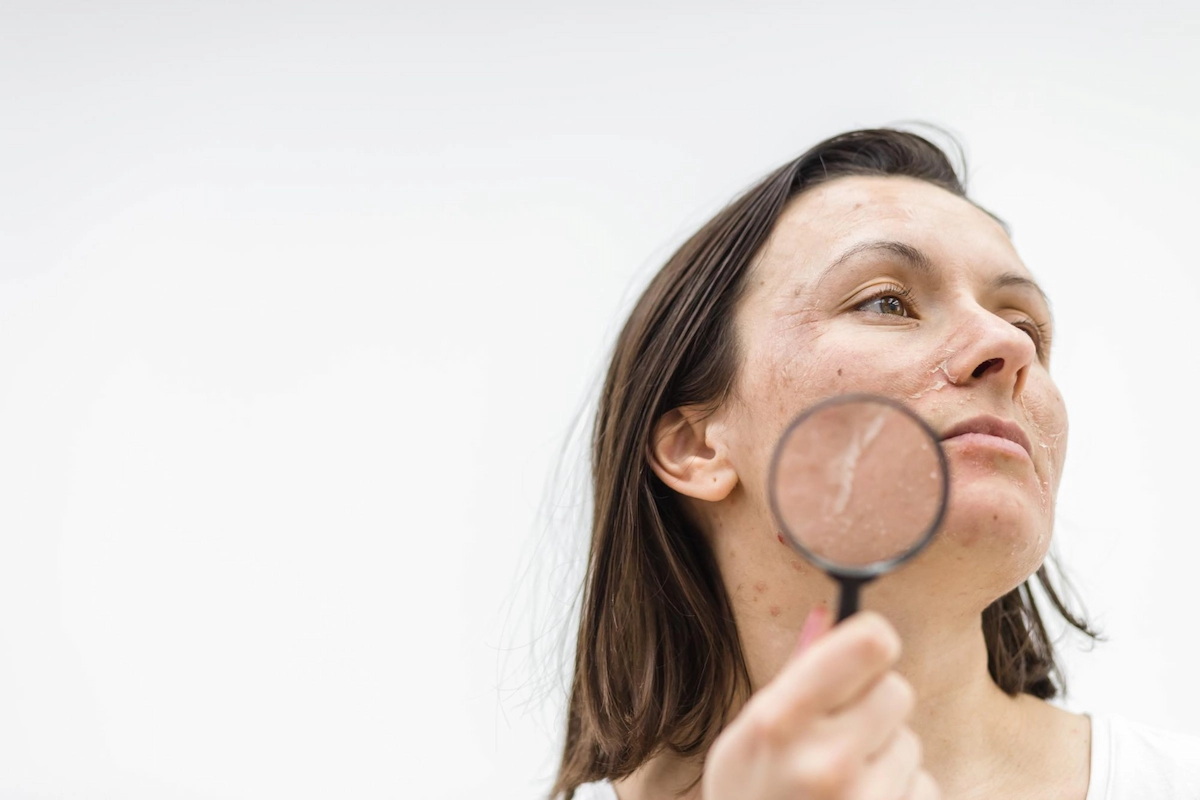
Dry, tight, or flaky skin can feel impossible to fix. Even after layering moisturizer, your complexion can still look dull and dehydrated. So, what treatment soothes and moisturizes the skin effectively? The answer depends on repairing your moisture barrier from the inside out, not just applying thicker creams.
This guide walks you through the best dry skin treatments backed by dermatologists, including simple lifestyle changes, skincare ingredients that actually work, and professional treatments that deeply hydrate your skin.
Causes of Dry Skin
Dry skin happens when your skin loses too much moisture. As we age, our skin gets thinner and doesn’t sweat as much, which is why older adults often deal with dryness.
But age isn’t the only factor! Dry skin can also come from:
-
- Living in low-humidity or desert-like climates, or cold/windy weather.
- Frequent swimming.
- Taking frequent, long, hot baths or showers.
- Skin conditions like eczema or psoriasis.
- Certain medications that reduce oil production or affect the skin’s barrier.
What Treatment Soothes and Moisturizes the Skin Best?
The most effective treatments for dry skin combine hydration + barrier repair. Dermatologists recommend using a fragrance-free cleanser, applying moisturizer immediately after showering, adding occlusive ingredients like petroleum jelly, and protecting your skin from UV damage. In some cases, deeper hydration requires professional treatments like skin boosters.
Read also: Basic Skincare Routine: A Simple Guide for Beginners
Best Dry Skin Treatments for Softer, Healthier Skin
Ever wonder why your skin still feels like sandpaper even after you’ve moisturized? The problem might not be your product, but how you’re using it, or maybe you just need something stronger! So, what is the best treatment for dry skin? Let’s find your ultimate solution for dry skin below:
1. Use a Gentle, Fragrance-Free Product
Some soaps and skincare products, especially deodorant soaps, can be too harsh for dry or sensitive skin. Dermatologists recommend products labeled “fragrance-free”.
And here’s a tip: watch out for “unscented” labels. “Unscented” often means the formula includes masking agents to hide odors, which can still irritate sensitive skin. When in doubt, pick fragrance-free and dye-free options.
2. Apply Moisturizer After Showering
Right after you shower or wash your hands, slap on that moisturizer! Doing it while your skin’s still damp helps lock in moisture and fills the tiny gaps between your skin cells, which seals the hydration in for longer.
3. Use Petroleum Jelly
Petroleum jelly can be a total skin saver, especially for older adults. It’s basically mineral oil that creates a barrier on your skin, trapping moisture inside. That means it helps calm, soften, and heal those rough, irritated dry spots.
4. Limit Your Shower Time
Keep your showers short and sweet, around 5 to 10 minutes max, and turn the temperature down to lukewarm. Why? Lingering in super-hot water for too long strips your skin of its natural, oily protective layer, which is crucial for locking in moisture. So, if you want skin that’s soft and hydrated, keep it quick and warm!
5. Protect Your Skin from the Sun
Use a broad-spectrum, water-resistant sunscreen with at least SPF 30, and reapply every 2 hours and after swimming or sweating, especially if you’re hitting the beach or pool. Avoid tanning beds and deliberate sunbathing as UV rays break down collagen, accelerate photoaging, and worsen dryness.
6. Avoid Sponges and Scrub Brushes
What is not an ideal treatment for dry skin? It’s using rough tools like sponges, scrub brushes, or washcloths! They can disrupt the skin barrier and worsen irritation. If you insist on using them, go very gently and limit friction.
After bathing, pat—don’t rub—your skin with a soft towel, then apply moisturizer while skin is still slightly damp.
7. Apply Salicylic Acid Lotion
Apply a salicylic acid lotion or cream to areas of thick, scaly skin. It helps exfoliate and remove the rough outer layer, leaving the skin softer and smoother. However, use it carefully, as it can sometimes irritate surrounding, more sensitive areas.
8. Avoid Allergens and Irritants
Facial dryness can show up suddenly based on exposure. Sitting close to a fireplace, getting chlorinated pool water on your face, or wearing rough, itchy fabrics (e.g., wool scarves, high-collars, or abrasive mask materials) can disrupt the facial skin barrier and leave it tight, itchy, and dehydrated. Notice what your face has been in contact with and dial back exposure when you can.
9. Consuming Antioxidants and Omega-3s
When your skin’s feeling dry, it’s often taking on more environmental stress than your barrier can handle. The right diet can support repair and a healthier look.
Eating foods packed with antioxidants helps protect your skin from toxins and supports healthy cell repair. Some awesome skin-friendly picks include blueberries, tomatoes, carrots, beans, peas, and lentils.
And don’t skip those omega-3-rich foods like salmon. They help keep your skin soft, hydrated, and glowing from the inside out.
Read also: How to Get Glowing Skin: Nutrition Secrets for a Radiant Complexion
When Should You See a Dermatologist?
If your skin’s still dry even after trying all the tips, it might be time to book an appointment with a board-certified dermatologist.
Sometimes, super dry, itchy skin treatment isn’t always about needing a better moisturizer. It can be related to conditions such as eczema (atopic dermatitis) or psoriasis, and occasionally systemic issues (such as kidney or thyroid problems). Early evaluation helps prevent worsening skin and addresses any underlying cause.
If left untreated, both your skin and any underlying condition can worsen. It’s best to address it early.
A dermatologist can help you find the right mix of active ingredients your skin needs to heal. They might suggest a stronger moisturizer, prescribe short-term medications like corticosteroids, or recommend treatments tailored to your skin type and condition.
Plus, depending on your skin’s needs, they can also recommend more intensive treatments like skin boosters to deeply hydrate, facials to restore smoothness, or IV infusions that nourish your skin from within. These can make a huge difference if your dryness just won’t quit.
Speaking of skin boosters, MOII Aesthetic Clinic in Bali has a few great options to really amp up your skin hydration and health. They offer PROFHILO & Rejuran, or you can try one of their Cocktail Skinboosters like C-Glow Premium or C-Glow Hydra.
The whole idea behind these treatments is to intensely hydrate your skin, give you powerful antioxidants to prevent early aging and fight free radicals, and basically help repair your skin barrier from the inside out.
And don’t skip your follow-up visits! Your skin might need some fine-tuning along the way, and it’s the perfect chance to talk to your dermatologist if something’s not working or if your routine needs a tweak.
At the end of the day, having dry skin doesn’t mean you have to live with it forever. With the right dry skin treatment (and maybe a little expert help), you can totally bring back that smooth, healthy glow.
If you’ve tried all the home remedies and your skin’s still rough or flaky, it’s probably time to level up your skincare routine. Professional treatments can give your skin that extra hydration boost it’s craving.
Ready to say goodbye to dry, flaky skin for good? Book your professional dry skin treatment in Bali at MOII Aesthetic Clinic and rediscover your natural glow.
Read also: Collagen Injections: How They Rejuvenate Your Skin