Blog
Acne Treatment for Sensitive Skin: A Gentle Care Approach

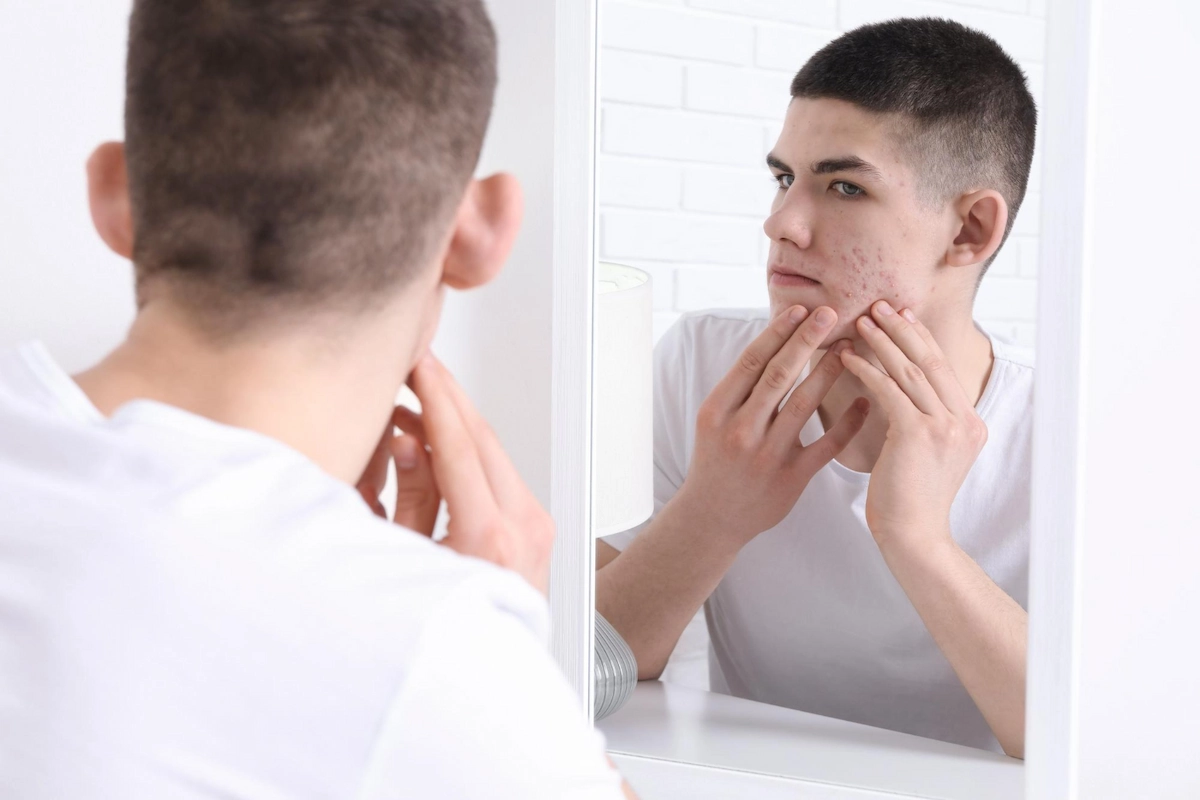
Dealing with acne is already annoying, but having sensitive skin on top of it? That’s a whole different struggle. One wrong product and boom! Redness, stinging, or a fresh breakout. The good news is, you can treat acne without stressing your skin out. You just need the right approach.
In this article, we’ll walk you through the gentlest yet effective treatment options, both at home and in-clinic, so you can calm irritation, control breakouts, and finally get your skin to chill. Let’s dive in.
Understanding Acne and Sensitive Skin
Acne happens when your hair follicles get clogged with oil and dead skin, showing up as whiteheads, blackheads, or pimples. If your skin is sensitive, it reacts more easily to products or changes in the environment, so you need to be extra careful. The trick is finding treatments that tackle breakouts without making your skin freak out and irritated.
Best Acne Treatment for Sensitive Skin
How do you treat acne with sensitive skin? If you’ve got sensitive skin and acne, finding the right treatment can feel tricky. You need something that tackles breakouts without causing redness, stinging, or flare-ups.
Here’s a list of acne treatments that are gentle on sensitive skin but still effective at keeping pimples under control.
1. Topical Treatments
Topical treatments are a common go-to for mild to moderate acne and can work really well. The type you use often depends on things like your age, where the breakouts are, how bad they are, and what you feel comfortable using.
Other things to keep in mind are your skin type, possible side effects, how the product might interact with anything else you’re using, and whether it’s easy for you to stick to a routine.
Here are some of the topical options you can try:
-
- Topical Antibiotics: One of the main causes of acne is a bacterium called P. acnes, which can clog pores and cause inflammation. Topical antibiotics that are applied directly to the skin help reduce these bacteria and calm redness and swelling, which can improve acne.
- Benzoyl Peroxide: Benzoyl peroxide works by killing the acne-causing bacteria on your skin and reducing inflammation. It also helps unclog pores. The good thing is bacteria don’t develop resistance to it, so it’s a go-to treatment for inflammatory acne. It’s usually best to start with a lower concentration and apply it to a small area to see how your skin reacts.
- Retinoids: Retinoids are vitamin A-based treatments that help regulate skin cell turnover, reduce inflammation, and prevent clogged pores. They can also help fade acne scars and even out skin tone.
- Azelaic Acid: Azelaic acid is a gentle acne treatment that helps unclog pores, fight acne-causing bacteria, and reduce inflammation. It also helps fade dark spots and even out skin tone, making it great for sensitive skin or pigmentation concerns.
- Salicylic Acid: Salicylic acid is a gentle acne treatment that helps unclog pores and reduce inflammation. It’s especially useful for people who can’t tolerate stronger treatments like retinoids or benzoyl peroxide.
2. Oral Medications
For moderate to severe acne, treatment usually involves oral medication along with topical creams or gels. Acne treatment for sensitive skin can include antibiotics, retinoids, or hormone-based treatments, depending on your skin and how bad the breakouts are.
It’s important to note that oral medication should always be taken under a doctor’s supervision.
-
- Oral Antibiotics: For more severe acne or cases that don’t get better with creams and gels, sometimes oral antibiotics are prescribed. These antibiotics help fight inflammation and reduce the bacteria that contribute to acne. They’re usually combined with topical treatments like retinoids or benzoyl peroxide to make them more effective and prevent bacteria from becoming resistant.
- Oral Retinoids: For severe acne that causes nodules, cysts, or scarring, oral retinoids like isotretinoin are sometimes prescribed. Isotretinoin is only for patients aged 12 years and older who aren’t pregnant. It’s very effective, often more than creams or oral antibiotics, but it comes with side effects like dry skin, irritation, muscle aches, and changes in blood fat levels.
- Hormone Therapy: Hormonal acne happens when certain hormones, especially androgens, trigger excess oil production, clogged pores, and breakouts. Hormone therapy can help balance these hormones and improve acne, particularly in women.
Read also: Dry Skin Treatment: 9 Proven Ways to Bring Back Your Natural Glow
3. Professional Treatments
Professional treatments are done in clinics by certified doctors, designed to tackle acne gently but effectively, perfect if your skin is sensitive and prone to breakouts. Here’s a look at the most common professional acne treatments:
Chemical Peeling
It uses special solutions to gently remove the top layers of skin, helping new, healthier skin grow. Common ingredients include alpha hydroxy acids (AHA), salicylic acid, and phenol.
For acne and acne scars, low-strength chemical peels can help reduce oil, clear clogged pores, and calm inflammation. They’re often used alongside other acne treatments to boost results or as a maintenance therapy.
Read also: Microdermabrasion vs. Chemical Peel: Which Is Right For You?
Facial
Facial treatments for sensitive, acne-prone skin are designed to calm irritation while tackling breakouts. These treatments focus on gentle cleansing, soothing the skin, and targeting acne without causing redness or further sensitivity.
MOII Aesthetic Clinic in Bali offers Acne Package Facial, specially formulated to address the three main causes of skin impurities: excess oil, clogged pores, and susceptibility to infections. This facial helps balance your skin’s pH to prevent breakouts, especially for acne-prone types.
The treatment includes a deep cleanse, careful extractions, and soothing facial massages that balance your skin without causing redness or aggravation. It’s perfect if you want to maintain clear skin and keep oiliness or acne flare-ups under control.
Ingredients to Avoid for Sensitive Skin with Acne
When dealing with acne on sensitive skin, try to avoid:
-
- Alcohol: It can dry out your skin and make irritation worse.
- Fragrance: Often triggers allergic reactions.
- Sodium Lauryl Sulfate (SLS): Strips your skin’s natural oils and can cause more breakouts.
When to See a Dermatologist for Sensitive Acne-Prone Skin
If your acne won’t go away or gets worse, see a dermatologist. They can:
-
- Make a treatment plan that’s right for you.
- Give prescription medications if needed.
- Check on your progress and make changes if necessary.
Dealing with acne on sensitive skin can feel like a never-ending battle, but with the right approach, it’s totally manageable. The key is to treat your skin gently, pick the right products, and combine them with healthy habits like staying hydrated, eating well, and getting enough sleep.
While there’s no magic solution for how to 100% get rid of acne, finding the right products and sticking to a consistent treatment routine can make a huge difference.
If you’re in Bali and want some extra help, MOII Aesthetic Clinic offers acne treatment for sensitive skin through professional Facial Treatments. Our team can guide you through treatments that calm irritation, reduce breakouts, and leave your skin looking fresh and healthy.
Read also: Facials in Bali: The Best Bali Facial Treatments for Glowing, Healthy Skin