
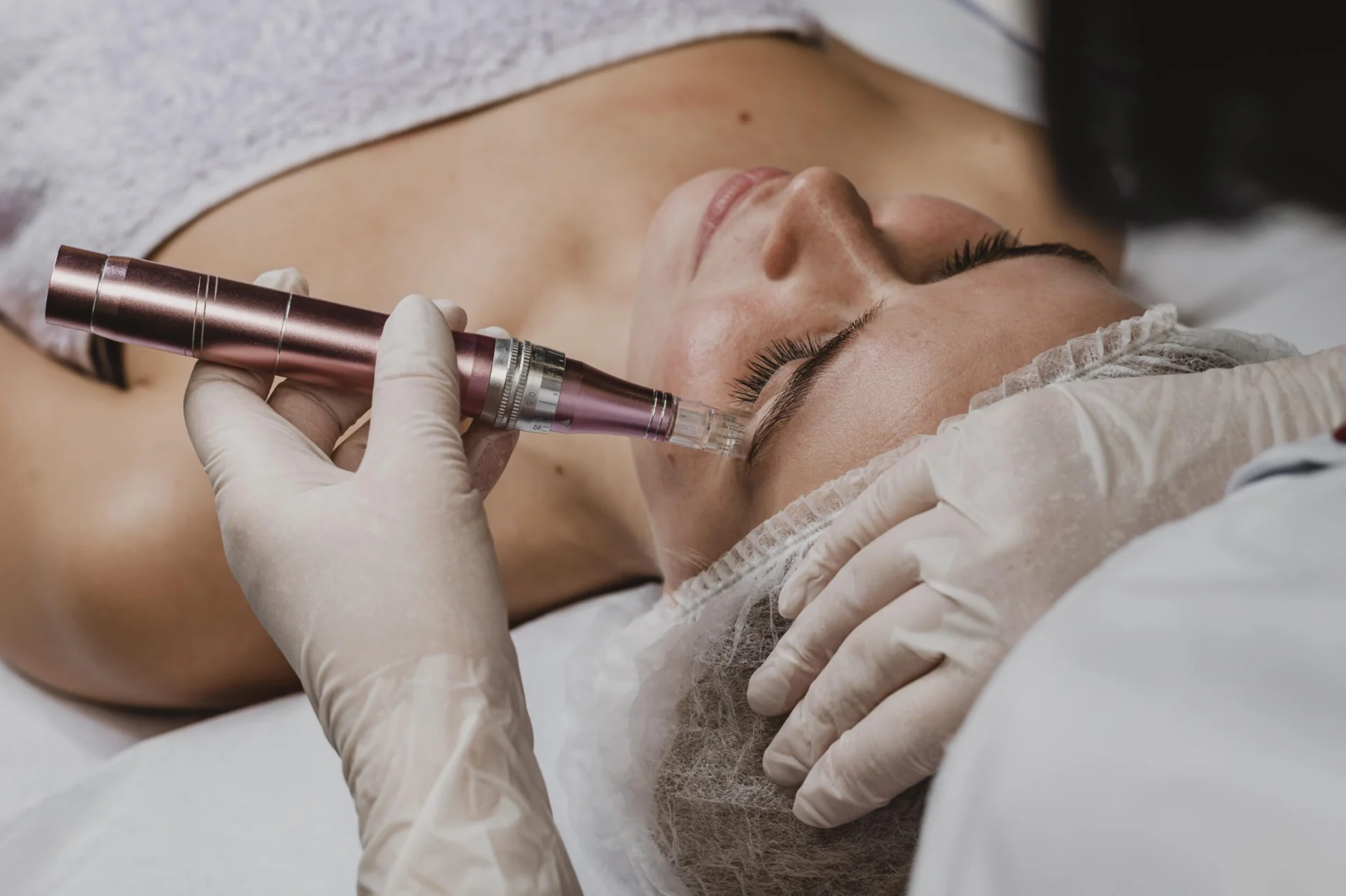
Acne scars can be one of the most stubborn skin concerns to treat. While topical creams and facials can help with texture and tone, deep acne scarring often needs something more powerful. That’s where microneedling comes in.
This minimally invasive treatment has gained attention for its ability to stimulate the skin’s natural healing process, encouraging collagen and elastin production-two essential components of healthy, smooth skin.
How Microneedling Helps with Acne Scars
Microneedling works by using tiny, sterile needles to create controlled micro-injuries on the skin’s surface. While these “injuries” don’t cause lasting damage, they do send a signal to the body to start repairing itself.
Here’s what happens:
- New collagen is formed to rebuild the damaged skin structure caused by scarring.
- Cell turnover increases, helping fade post-acne pigmentation over time.
- Skin texture becomes smoother, reducing the appearance of pitted or rolling scars.
This makes microneedling especially effective for atrophic acne scars (like icepick or boxcar scars), which result from collagen loss after severe acne.
Why It’s Better Than Topical Products Alone
While serums and creams can improve skin tone or inflammation, they rarely penetrate deep enough to affect scar tissue. Microneedling creates channels in the skin that allow active ingredients such as hyaluronic acid, growth factors, or PRP (Platelet-Rich Plasma) to be delivered deeper and work more effectively.
The result? A more intensive and longer-lasting outcome than most over-the-counter treatments can provide.
Is Microneedling Safe for Acne-Prone Skin?
Yes. When done by professionals. While microneedling is not recommended on active breakouts, it is safe and effective for treating old scars. The key is having it done in a clinical setting, where needle depth and hygiene can be carefully controlled to avoid irritation or infection.
What to Expect
Improvements in acne scars are gradual and typically visible after a few sessions. Many patients begin to see changes in texture, brightness, and smoothness within 4–6 weeks. Depending on the severity of the scarring, 3 to 6 sessions may be needed for optimal results.
Downtime is minimal—most people experience mild redness and sensitivity for a day or two.
Boosting Results with PRP or Skin Boosters
At Moii Aesthetic Clinic, we often combine microneedling with PRP (Platelet-Rich Plasma) or skin boosters to enhance healing and hydration. PRP uses your body’s own growth factors to speed up tissue regeneration, while skin boosters like hyaluronic acid hydrate the deeper layers of skin for a plumper, more radiant finish.
Final Takeaway
Microneedling is more than just a skincare trend—it’s a clinically backed, non-surgical option that helps your skin rebuild itself from within. If you’ve struggled with acne scars and are looking for a treatment that delivers visible, long-term results, microneedling may be the solution.