
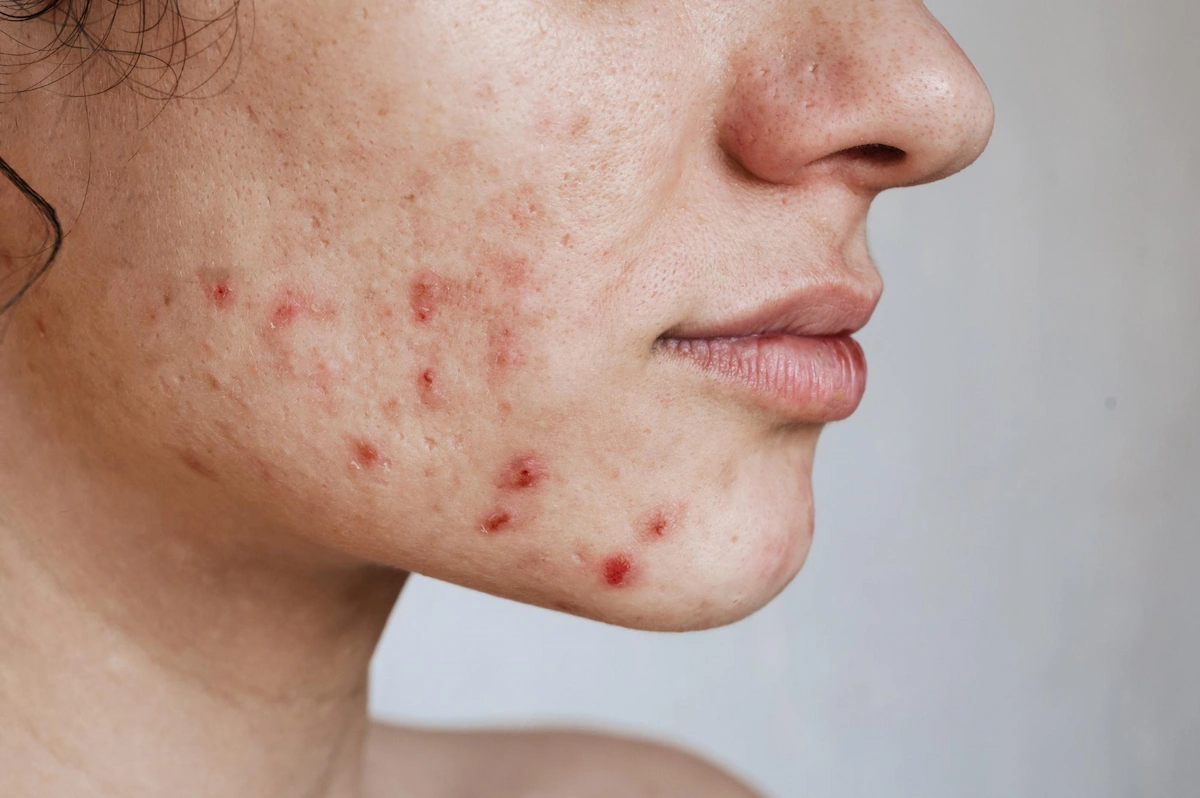
We’ve all been there: the frustrating and often painful battle with acne. But the fight doesn’t end with the breakouts finally stopping. What’s left behind can be just as distressing, that is, acne scars. These marks can be challenging to get rid of, causing people to feel self-conscious about their skin.
While the scars might seem like they’re taking forever to fade, some treatments can help speed up the process and help you regain the clear, smooth skin you’ve been longing for. Here are some effective acne scar treatments you can try.
Acne Scar Treatments
Dealing with acne scars can be frustrating, especially when they stick around for long after the breakouts are gone. The good news is that there are plenty of treatments available to help reduce their appearance. Here are some common methods for treating acne scars:
1. Home Skincare
One of the simplest yet most effective ways to support scar healing is daily sunscreen use. Consistent protection prevents scars from darkening and helps maintain an even skin tone.e
For more targeted care, you might also want to consider medicated creams containing ingredients like alpha hydroxy acids (AHA), retinoids, or salicylic acid. These formulas can help gently renew the skin’s surface and improve its texture.
2. Soft Tissue Fillers
For indented or hollowed acne scars, injectable fillers offer a quick way to smooth out uneven skin. By adding substances like collagen or fat beneath the skin, the area can be plumped up, smoothing out the indentation.
The results are temporary, so repeat sessions are needed to maintain the effect. Still, this method carries minimal risk of discoloration, making it a safe and reliable option.
3. Dermabrasion
The next treatment for how to remove acne scars is dermabrasion. It’s one of the best treatments for acne scars that works by removing the top layer of your skin using a specialized tool or even a laser. This encourages new, healthier skin to form in its place.
After the treatment, the skin may remain red and sensitive for several weeks to months. As healing progresses, scars become noticeably softer and less visible.
4. Chemical Peels
Unlike a simple mask, a chemical peel uses a powerful solution to remove the top layer of your skin, reducing the appearance of deeper acne scars.
While some mild peels are available for at-home use, professional, clinic-based treatments can provide a stronger solution to get more dramatic results. Since chemical peels vary in strength and formulation, consulting a doctor is essential to find the best option for your skin.
5. Laser Resurfacing
Much like chemical peels and dermabrasion, laser resurfacing works by removing the top layer of your skin. A great benefit of this treatment is that it often has a faster healing time, and it can be particularly effective for red or discolored scars.
However, this treatment requires bandaging until fully healed, and it may not be suitable for individuals with ongoing breakouts or darker skin tones.
6. Microneedling
The next acne scar treatment is microneedling, which is a minimally invasive procedure that uses tiny needles to create micro-injuries in the skin, stimulating the body’s natural healing response and collagen production.
Your doctor will use a special device covered in tiny needles to roll over your skin. It helps to kick-start your skin’s natural collagen production, which can improve the look of acne scars. It’s a safe and simple technique that has minimal risk of discoloring the skin.
Just keep in mind that the results are subtle, so you’ll likely need to undergo repeat treatments to get the best outcomes.
Read also: Why Microneedling works in Treating Acne Scars
7. Injection
Raised scars form when excess tissue develops as breakouts heal. To soften and flatten these scars, doctors may use a series of injections containing medications such as corticosteroids. Typically performed every few weeks, these treatments gradually reduce scar tissue and create a smoother skin surface.
8. Surgery
For more severe scarring, minor surgical techniques may be recommended. One option, known as punch excision, involves carefully removing individual scars and repairing the area with stitches or a skin graft.
Another technique is called subcision. With this method, your doctor inserts needles under the skin to loosen the fibers that are pulling the scar down, which helps to smooth out the surface.
9. OnabotulinumtoxinA (Botox)
When you’re looking into how to get rid of acne scars, you might be surprised to learn that Botox can be a treatment option. If the skin around your scars puckers or bunches up, injecting Botox can relax the surrounding skin.
This simple step can improve the scar’s appearance by creating a smoother surface. Just keep in mind that the results are temporary and typically require repeat treatments to maintain the effect. However, Botox can be a valuable complement to other acne scar therapies.
Those are the A to Z of acne scar treatments, from simple at-home care to advanced clinical procedures. The best treatment for acne scars will depend on the type of scarring, skin type, and the individual’s personal preferences. To choose the right treatment, consult a dermatologist who can assess the scars and recommend the best course of action.
If you’re considering professional options, one effective choice is injection treatment. At MOII Aesthetic, we provide dermal fillers, Botox, subcision, and microneedling to smooth uneven texture. These treatments are tailored to your skin’s unique needs, offering results that look natural while restoring your confidence.
Don’t let acne scars hold you back any longer. Book your appointment at MOII Aesthetic Clinic and let our team help you get a smoother, healthier-looking skin.
Read also: Can You Combine Microneedling and PRP Treatments in One Session? Here’s What You Should Know