
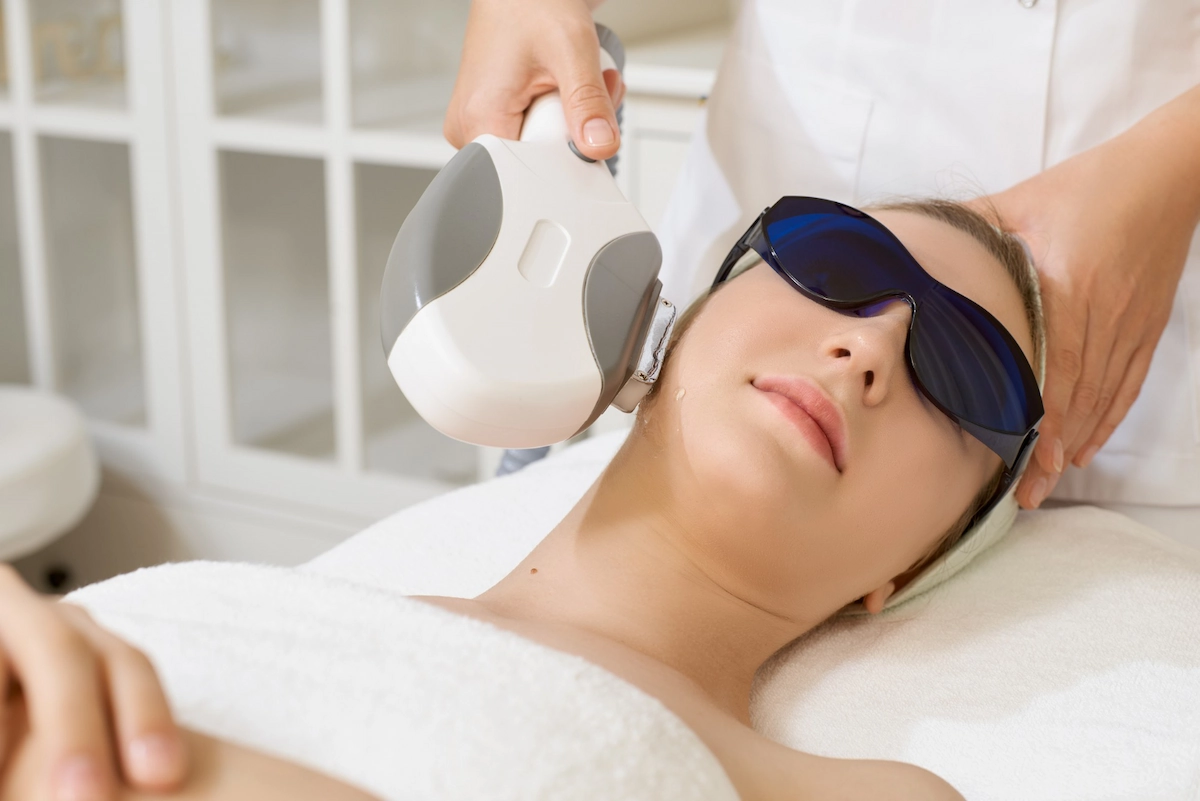
IPL treatment, or Intense Pulsed Light therapy, is a popular, non-invasive solution that targets common skin concerns like wrinkles, dark spots, redness, and unwanted hair. It works by sending gentle pulses of light deep into the skin, stimulating collagen production and helping to even out your complexion.
Whether you’re after a brighter complexion or smoother skin, IPL has become a go-to option for many. Want to know exactly how it works and what results you can expect? Read on for the full breakdown below.
What Is IPL Treatment?
IPL is a cosmetic treatment that uses bursts of light to improve your skin’s texture and tone without undergoing surgery. It’s great for tackling sun damage on areas like your face, neck, hands, and chest.
The treatment works with special devices that send out pulses of light at different wavelengths and durations. This makes IPL a safe and effective way to treat things like pigmentation, broken blood vessels, and even some signs of aging.
The Difference between IPL and Laser Treatment
IPL is kind of like a laser treatment, but with a twist. While a laser uses just one type of light, IPL sends out a mix of different wavelengths.
The light from IPL spreads out more and is less intense than a laser, so it reaches the second layer of your skin (the dermis) without damaging the top layer (the epidermis). This means less skin irritation or damage.
The magic happens when your skin’s pigment cells absorb the light and turn it into heat. That heat can break down unwanted pigment to clear freckles or spots, or even zap hair follicles so the hair won’t grow back.
How IPL Treatment Works
IPL works by using light energy. A handheld device sends light waves straight to hair follicles, damaged skin cells, or pigmented spots. When the light hits the target, the cells heat up and break down, and your body naturally gets rid of the damaged tissue.
After IPL, your skin can look more even and refreshed. The light only goes where it’s needed, so the surrounding tissue stays safe, and healing is faster. This isn’t something you can do at home. IPL should always be done by trained professionals to make sure it’s safe and effective.
Benefits of IPL Treatment
IPL skin treatment can help tackle a bunch of common skin and beauty concerns, including:
- Acne scars.
- Dark spots and freckles.
- Redness or rosacea.
- Birthmarks.
- Hyperpigmentation.
- Unwanted fine hair.
- Scars and stretch marks.
- Sun-damaged skin.
- Wrinkles.
- Spider veins.
- Melasma.
- Hemangioma and other venous issues.
Read also: Acne Scars Treatment: How to Get Smoother and Healthier Skin
Who Shouldn’t Get IPL Treatment?
Before starting IPL, it’s important to consult your doctor, especially if you’re pregnant, have a sunburn, or are dealing with any skin conditions. You should also mention any medications you’re taking, such as blood thinners or acne treatments, to make sure the procedure is safe for you.
IPL might not be the best option if you:
- Are sensitive to light.
- Recently tanned your skin (sun, tanning beds, or creams).
- Might have skin cancer.
- Use retinoid creams.
- Have very dark skin.
- Have a skin resurfacing disorder, severe scarring, or keloid scars.
On the day of your appointment, skip perfume, makeup, and any scented products that could irritate your skin.
IPL Treatment Preparations
During the prep phase, your doctor might ask you to avoid certain things for about two weeks, including:
- Waxing.
- Chemical peels.
- Sunbathing or tanning beds.
- Collagen injections.
It’s also a good idea to skip aspirin, herbal supplements, or anti-inflammatory meds since they can increase the risk of bleeding.
Some antibiotics, like doxycycline, should be avoided too because they make your skin extra sensitive to sunlight. And on the day of your session, stay away from deodorants or perfumes on the area that will be treated.
Read also: Microdermabrasion vs. Chemical Peel: Which Is Right For You?
IPL Treatment Procedure
Getting ready for an IPL session might seem a bit daunting, but knowing the steps can make it much easier. From prepping your skin to the actual treatment, understanding what happens can help you feel more comfortable and confident. Here’s a step-by-step look at a typical IPL procedure:
- The treatment area is cleaned by the nurse to remove makeup, sunscreen, and any dirt.
- Protective goggles are placed over your eyes, and they should be kept closed throughout the procedure.
- The IPL probe is applied to the skin, and a slight cool sensation may be felt from the probe tip.
- When the IPL flashes, a bright light may be seen and a mild warming sensation may be felt, which are normal and safe.
- After the treatment, the skin is cooled with a cold compress.
- A soothing cream and SPF are applied to protect the treated area.
- The staff should be informed if light sensitivity or light-induced epilepsy is present, as IPL cannot be performed in these cases.
- The procedure is then completed.
IPL Treatment Aftercare
After an IPL session, your skin might feel like it has a mild sunburn for 4–6 hours. It can look red or slightly bruised for a day or two, and brown spots may darken before peeling off over the next few weeks.
You can soothe your skin with ice packs or a cold washcloth. Some helpful tips after IPL treatment include:
- Wash your face with a gentle cleanser that suits your skin type.
- Apply moisturizer first, then sunscreen with at least SPF 30 to protect your skin.
- Skip makeup if your skin feels sore or sensitive.
Your doctor will give you advice on which skin products to use after the procedure.
How Long Does IPL Treatment Last?
Each IPL session usually takes around 20–30 minutes, though larger areas may take up to an hour.
The longevity of IPL results can vary depending on individual skin types and concerns. Some people experience long-lasting outcomes, while others may require touch-ups every 6 to 12 months to maintain results.
Following post-treatment care and completing multiple sessions as recommended can help you get the most out of your IPL treatment.
What Are IPL Treatment Side Effects?
Most people notice a bit of redness or swelling after IPL, but it usually goes away within a day or two.
In some cases, you might also see:
- Bruising.
- Blisters.
- Changes in skin color.
- Infection.
Why Should You Get IPL Treatment in Bali?
If you’re on vacation or living in Bali, getting an IPL treatment can be both convenient and rewarding. The island has a number of reputable aesthetic clinics where skilled doctors use advanced equipment to improve skin tone, reduce pigmentation, and tackle common skin concerns safely.
Plus, the cost is often lower than in many Western countries, making it an attractive option for anyone looking for quality results without the high price tag.
The cost of IPL treatment in Bali typically varies based on the type of procedure and the area being treated, starting from as low as IDR 250,000 for a small area and going up to IDR 2,900,000 or more for extensive skin rejuvenation across the face, neck, and chest.
Those are all you need to know about IPL treatment. It’s a safe and effective way to refresh your skin, even out tone, and tackle unwanted hair or pigmentation issues. With multiple sessions, you can start noticing smoother, clearer skin over time, making it a popular choice for those looking to improve their skin without surgery.
If you’re looking for reliable results and expert care, finding the right clinic makes all the difference. For those in Bali, MOII Aesthetic offers personalized sessions tailored to your skin type, making it a top choice for anyone seeking the best IPL treatment in Bali.
Whether your goal is hair removal, skin rejuvenation, or tackling sun damage, our team of certified dermatologists ensures a comfortable and effective experience. Book your consultation today and see how Laser and Hair Removal can help you achieve smoother, brighter skin.
Read also: Dark Underarms: Causes, Solutions, and How IPL Hair Removal Brightens Dark Underarm Hair