
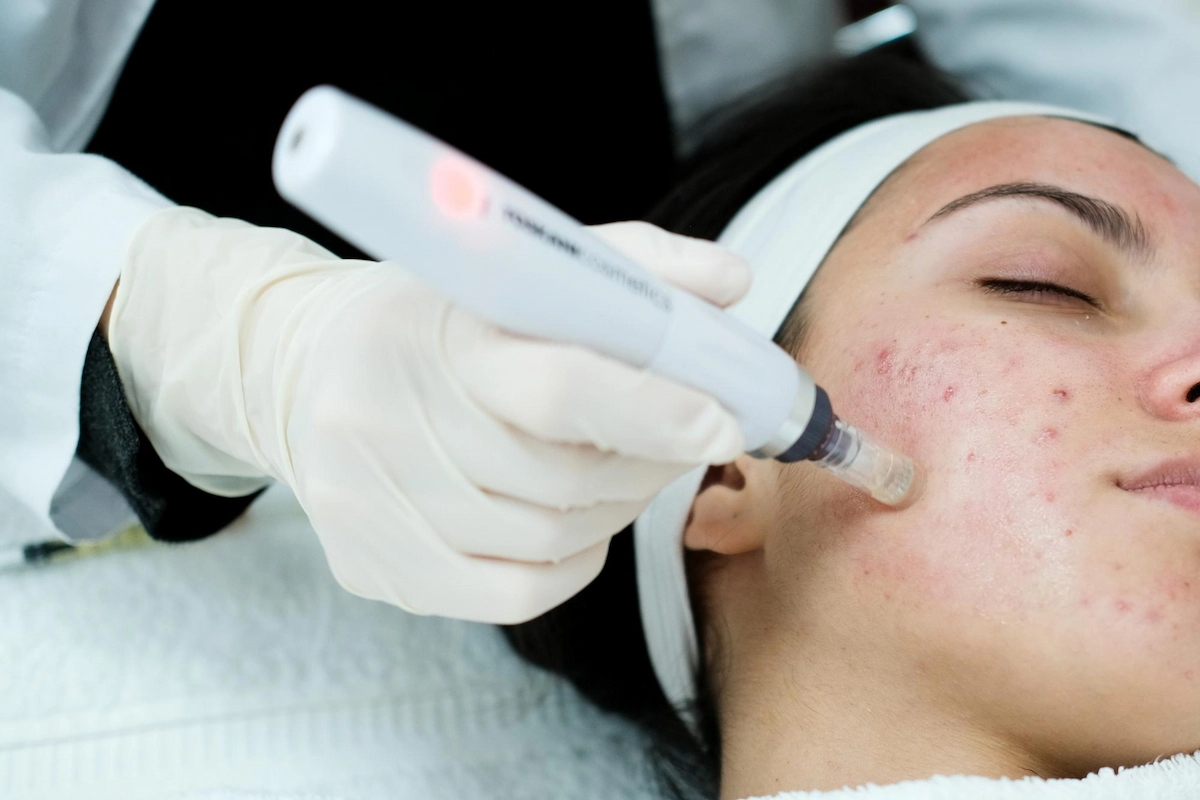
RF microneedling has been very popular lately, and for good reason. It’s a treatment that combines tiny micro-needles with radiofrequency energy to boost collagen, smooth out texture, and give your skin a firmer, refreshed look. If you’ve been dealing with fine lines, acne scars, or just want a little extra glow, this treatment might be your new favorite.
In this article, we’ll break down what RF microneedling actually is, how it works, the benefits, and why so many people in Bali are choosing it to achieve their skin goals. Let’s get into it!
What Is RF Microneedling?
Radiofrequency (RF) microneedling uses tiny insulated needles that send radiofrequency energy into the deeper layers of your skin. This creates a gentle, controlled heating effect that kicks your collagen into gear, helping your skin become smoother, firmer, and more even in texture.
The best part is that the treatment usually comes with minimal downtime and is generally pretty comfortable. It can make a big difference for fine lines, wrinkles, acne scars, and loose skin, all without anything too invasive.
RF Microneedling Benefits
RF microneedling combines tiny needles with controlled radiofrequency energy to trigger the skin’s natural repair process. It’s a popular option for tackling concerns like:
- fine lines.
- stretch marks.
- wrinkles.
- appearance of large pores.
- scars from injury or surgery.
- acne scars.
- hyperpigmentation.
- cellulite.
- loose, sagging skin.
Read also: Acne Scars Treatment: How to Get Smoother and Healthier Skin
Ideal Candidate for RF Microneedling
Radiofrequency microneedling is generally safe, but it’s not the right fit for everyone.
You’re likely a good candidate if you:
- are in good overall health.
- are starting to notice early signs of aging.
- understand what the treatment can and can’t do.
On the other hand, you should skip RF microneedling if you:
- have an active cold sore (small blisters around the lips, caused by herpes simplex virus).
- are dealing with a skin infection such as bacterial (impetigo, folliculitis), viral (cold sores), or fungal infections, as these can worsen or spread with treatment.
- have a moderate or severe skin condition like psoriasis.
- are undergoing chemo or radiation.
- are pregnant.
- are taking blood thinners.
- tend to develop keloids or thick scars.
RF Microneedling Procedure
The process itself is simple and usually easier than people expect. Here’s a quick look at how the procedure typically goes.
Before the Procedure
Before your RF microneedling session starts, your doctor will walk you through what to expect and make sure your skin is prepped properly.
Try to avoid alcohol and nonsteroidal anti-inflammatory medication before your appointment because they can make bruising more likely to happen. It also helps to stop using any skincare with salicylic acid for a bit, since it can make your skin more sensitive.
Make sure to tell your doctor if you’re on any blood-thinning medication or have recently taken some. These can increase bleeding or bruising during the treatment, so your doctor needs to know prior to the treatment.
During the Procedure
Your RF microneedling session usually happens right in the clinic, and the whole process is pretty straightforward. Here’s what it typically looks like:
- Your skin is thoroughly disinfected, so everything stays sterile.
- A numbing cream is applied about an hour before the treatment (or a small local anesthetic is injected) to make sure the area feels comfortable.
- Tiny micro-injuries are created by the device while radiofrequency energy is delivered into the skin at the same time.
- The needling itself is usually completed in about 10–20 minutes, depending on the area being treated.
- A growth or healing serum is applied afterward to support recovery, followed by a soothing product to calm the skin.
After the treatment, you can head home and get back to your usual routine.
Read also: Microneedling and PRP Treatment: How This Powerful Face Therapy Transforms Your Skin
Possible Side Effects of RF Microneedling
Side effects from RF microneedling are usually super mild, so downtime is pretty minimal. Some people might notice tiny spots of bleeding or a bit of bruising, and your skin may look slightly red for about a day. But overall, most people are back to their normal routine within 24 hours.
RF Microneedling Results
You’ll usually start seeing the best results around 3-6 months after your first session because your skin gradually increases its collagen production over time. After chatting with you and checking your skin, your doctor will suggest a treatment plan. Most people end up doing 2-3 sessions for optimal results.
RF Microneedling in Bali
If you’re living in Bali or just here on vacation, RF microneedling can be a convenient treatment to explore.
RF microneedling is available at many aesthetic clinics in Bali, and the treatment has become easier to access as more clinics bring in modern devices and trained practitioners. You can find clinics that offer the procedure with proper care and guidance.
When choosing where to get RF microneedling, make sure to pay attention to important aspects like clinic hygiene, device quality, and the experience of the doctor performing the treatment. Always look for clinics that explain the procedure clearly, follow safe protocols, and provide aftercare instructions you can trust.
In conclusion, RF microneedling is a great option if you’re looking to get smoother, firmer, more refreshed-looking skin without anything too complicated. It works gradually, helping your skin improve naturally over time.
If you’re in Bali and thinking about giving it a try, MOII Aesthetic Clinic is definitely worth considering. Their team uses up-to-date techniques and keeps the whole experience comfortable from start to finish.
Ready for a little skin upgrade? Check out RF Microneedling at MOII Aesthetic Clinic in Bali and see what it can do for you.
Read also: Exilis Treatment: The Non-Surgical Skin Tightening Solution