Blog
PRP Hair Loss Treatment in Bali: Is It Really Worth It?

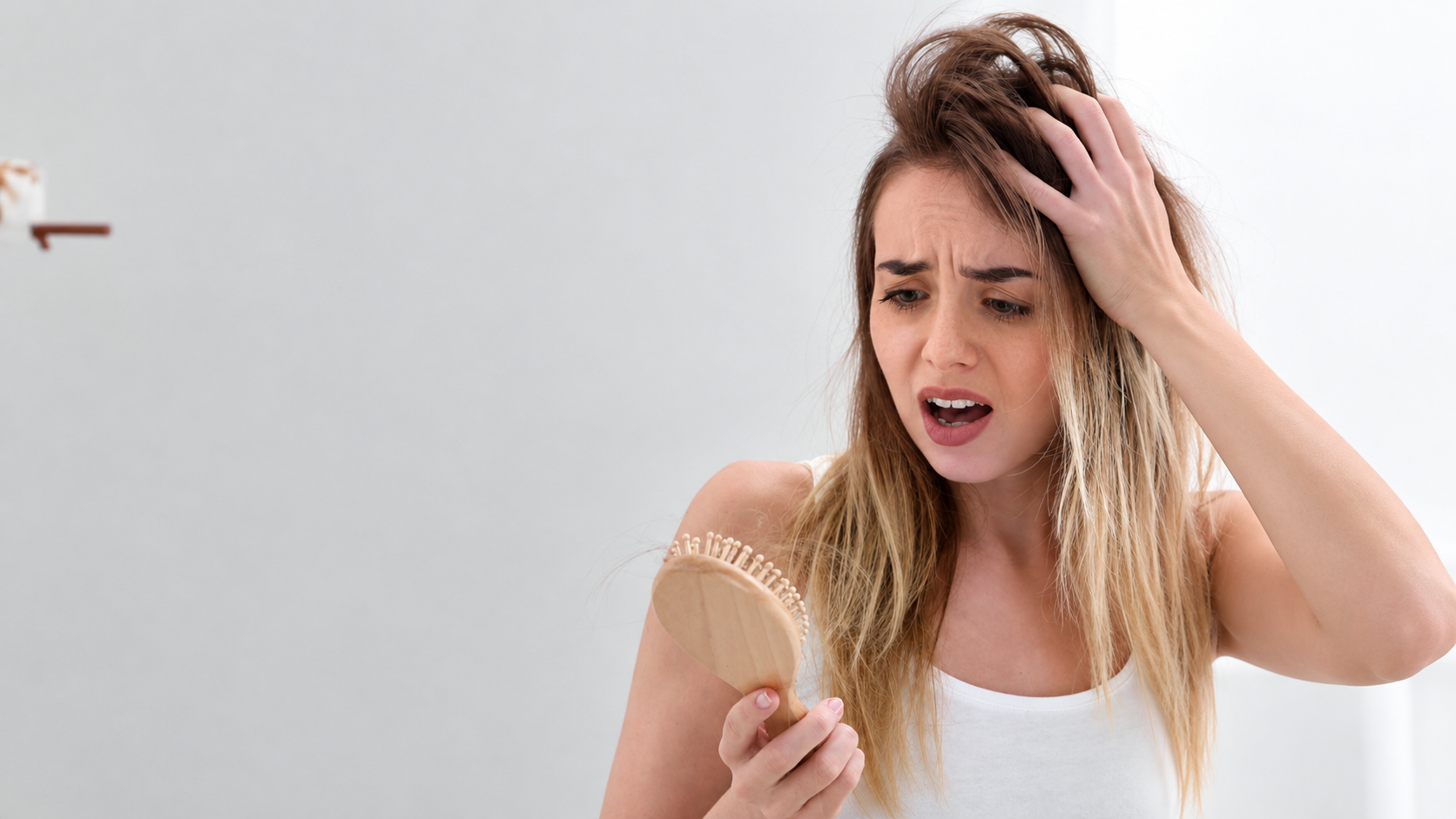
Hair loss is one of the most Googled health concerns among expats in Bali — and it’s consistently underreported in conversations about living here, because it feels more personal and harder to talk about than skin concerns.
But the pattern is real. People who move to Bali and spend 12–24 months here frequently notice their hair becoming thinner, shedding more, or simply not looking as full as it used to. Some put it down to stress or diet changes and hope it resolves. Some buy expensive shampoos that don’t work. Many never find out that there were clinical options that could have helped significantly more.
PRP hair treatment at MOII Aesthetic Clinic is one of the most effective non-surgical options for hair thinning and early hair loss. Here’s the complete picture — honestly.
Why Bali Specifically Accelerates Hair Loss
Before addressing treatment, it’s worth understanding what’s driving the problem. Hair loss in Bali residents tends to be multifactorial — a combination of stressors that compound each other.
Hard water mineral damage — Bali’s water supply has a high mineral content (calcium and magnesium). Daily washing with hard water deposits mineral buildup on the scalp and hair shaft, disrupting the scalp’s pH balance, clogging follicle openings, and weakening the hair structure over time. This is a direct and consistent hair stressor that most people in Bali don’t account for.
UV damage to the scalp — The scalp is one of the most UV-exposed surfaces on the body, particularly for people riding motorbikes, spending time outdoors, or surfing. UV radiation damages the hair shaft and can trigger inflammation in the scalp tissue around follicles — a mechanism associated with accelerated follicle miniaturization.
Telogen effluvium from relocation stress — Moving countries involves significant physiological stress — dietary changes, sleep disruption, heat acclimatization, immune adjustment. This type of stress commonly triggers telogen effluvium: a diffuse shedding pattern where a large proportion of hair follicles simultaneously shift into the resting (telogen) phase and shed. The shedding typically begins 2–4 months after the triggering event, which is why many expats notice significant hair loss 6–12 months into their Bali life rather than immediately upon arrival.
Nutritional changes — Local diet in Bali, while rich in many nutrients, can be lower in certain hair-supporting nutrients (iron, zinc, B12, biotin) depending on dietary patterns. Nutritional deficiencies, even mild ones, affect hair follicle health.
Androgenetic hair loss — The most common cause of progressive hair thinning in both men and women, running independently of environmental factors. Bali’s climate doesn’t cause it, but the increased stress load can accelerate its progression.
What Is PRP Hair Treatment?
PRP (Platelet-Rich Plasma) therapy for hair loss involves drawing a small sample of your own blood, processing it in a centrifuge to concentrate the platelet-rich fraction, and injecting that concentrated plasma into the scalp at the follicle level.
Platelets are packed with growth factors — signaling proteins that tell surrounding cells to repair, regenerate, and proliferate. When delivered at high concentration directly to hair follicles, these growth factors:
- Prolong the anagen (active growth) phase of the hair cycle, keeping follicles in production longer before they enter the resting phase
- Support the reversal of follicle miniaturization — the process by which follicles progressively shrink and produce thinner, shorter hairs before eventually stopping production
- Stimulate blood supply to the scalp, improving the nutrient delivery to follicles
- Reduce scalp inflammation that contributes to follicle damage
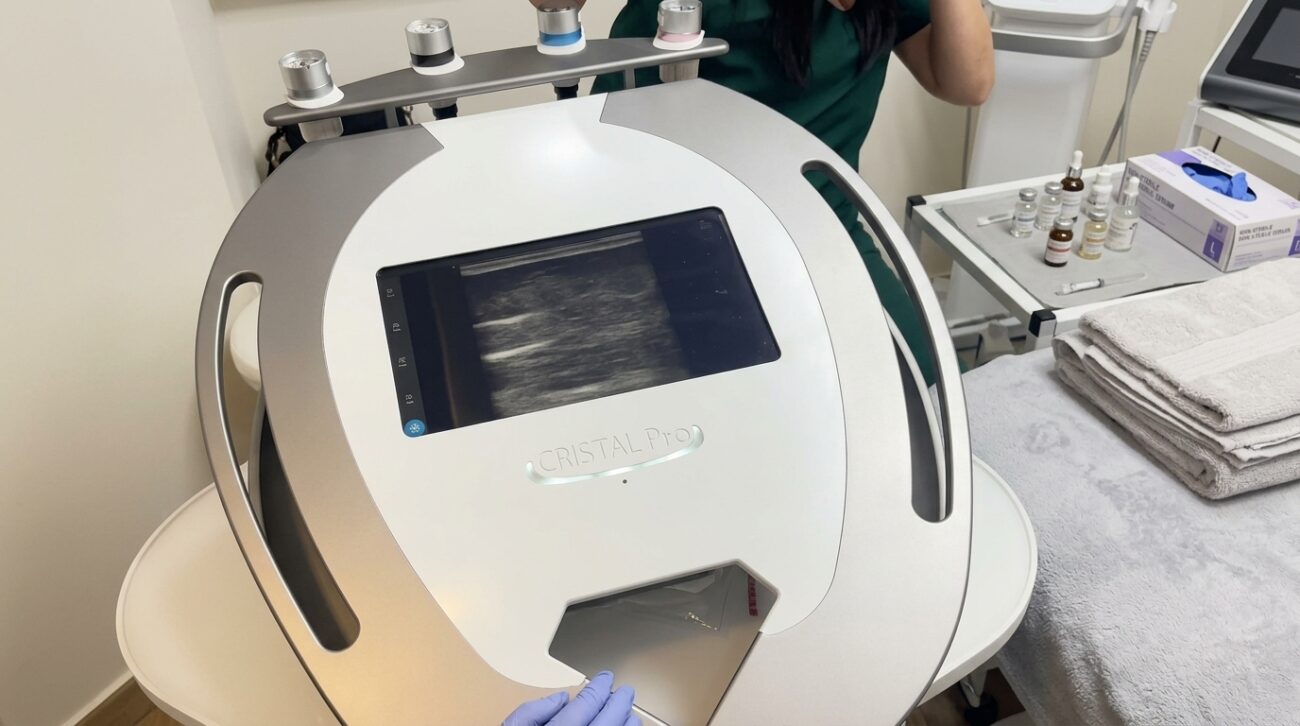
At MOII, we use the PRP T-Lab processing system, which produces a higher-quality, more concentrated growth factor extraction than standard centrifuge systems. The quality of the PRP directly affects treatment outcomes — concentration matters.
Who Does PRP Hair Treatment Actually Help?
This is the honest part — PRP is effective for certain types of hair loss and not for others.
PRP works well for:
- Androgenetic alopecia (early to moderate stage) — When follicles are miniaturizing but not yet dormant, PRP can slow the progression, improve hair thickness, and in some cases partially reverse miniaturization.
- Telogen effluvium — Stress-related diffuse shedding responds well to PRP. The growth factors support follicle recovery and help shift more follicles back into the active growth phase.
- General hair thinning — Diffuse thinning without a specific diagnosed cause often responds to PRP, particularly when combined with addressing nutritional and scalp health factors.
PRP is less effective for:
- Advanced androgenetic alopecia with completely bald areas — PRP cannot revive follicles that have been dormant for many years. There needs to be something to work with.
- Alopecia areata — An autoimmune condition requiring specialist medical management.
- Scarring alopecia — Where the follicle has been permanently destroyed by inflammation or scarring.
At consultation, MOII’s practitioners will assess your hair loss pattern, history, and likely cause to give you an honest picture of whether PRP is likely to help in your specific case — and how much improvement is realistic.
What a PRP Hair Session at MOII Involves
The session (45–60 minutes):
- Blood draw (a small sample, similar to a standard blood test)
- Processing in the T-Lab centrifuge system (~15 minutes)
- Topical numbing applied to the scalp
- PRP injected in a grid pattern across the treatment area using a fine needle
- The injections are brief — patients describe mild pressure and a stinging sensation at each point
After the session:
- Mild scalp tenderness and redness for 24–48 hours
- Avoid washing the hair for 24 hours
- Avoid intense heat (saunas, hot yoga) for 48 hours
- Resume normal activity immediately
Results timeline: This is where patience is required. Hair growth cycles are slow. Most clients begin to notice reduced shedding within 4–6 weeks of the first session. Visible improvement in density and thickness typically appears at 3–4 months — after the follicles stimulated in the first sessions have completed a full growth cycle.
Recommended course: 3–4 sessions spaced 4–6 weeks apart for initial results. Maintenance sessions every 6–12 months to sustain the response. The earlier in the hair loss process treatment begins, the more there is to work with.
Rainy Season: A Good Time to Start
If you’ve been putting off hair treatment, rainy season in Bali is a practical time to start. The lower heat and sun intensity means scalp UV stress is reduced during the treatment period. The 3–4 month results timeline means visible improvement arrives right as Bali’s dry season — and its associated social and outdoor activity — begins.
PRP Hair Treatment at MOII Aesthetic Clinic, Bali
MOII Aesthetic Clinic offers PRP T-Lab hair restoration as part of a broader approach to hair health that can include scalp assessment, nutritional guidance, and a structured treatment course tailored to your specific hair loss pattern and goals.
If you’re in Bali and noticing thinning that wasn’t there a year ago — or if you’ve been watching a slow progression that you’ve been putting off addressing — a consultation is the right starting point. We’ll tell you honestly what we can and can’t help with.
Book your PRP hair consultation at MOII Aesthetic Clinic Bali today.
Read also:
PRP Treatment in Bali: Your Blood, Your Glow — Naturally
Bali Rainy Season: Why It’s Actually the Best Time to Get Aesthetic Treatments
The Expat Skin Survival Guide: How to Actually Protect Your Skin in Bali